Source pregnancy monitoring pig farrowing pen for Breeding, Heat Preservation, and Gestation
Compare 21 listings for pregnancy monitoring pig farrowing pen featuring steel, stainless steel, and galvanized pipe construction. Buyers can evaluate customization options, factory-direct pricing, and installation services for pig farm breeding and heat preservation needs.
Key considerations
Products List






Comprehensive Sourcing Guide
Strategic Sourcing Guide for Pregnancy Monitoring Pig Farrowing Pens
Understanding the Technical Architecture of Farrowing Systems
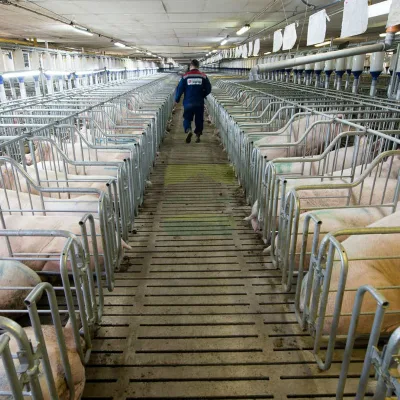
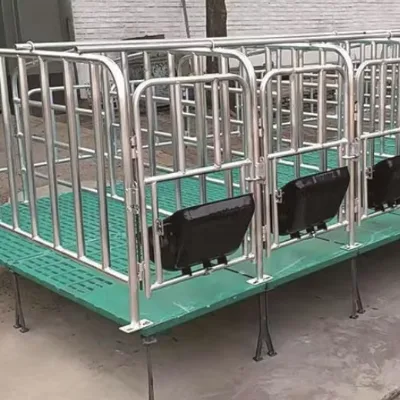
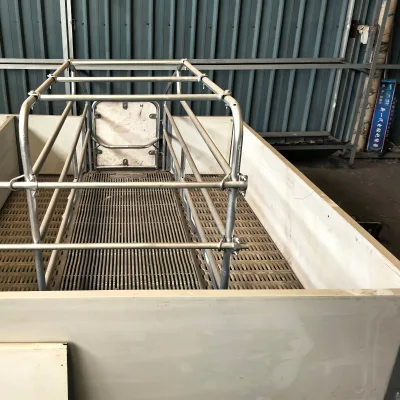
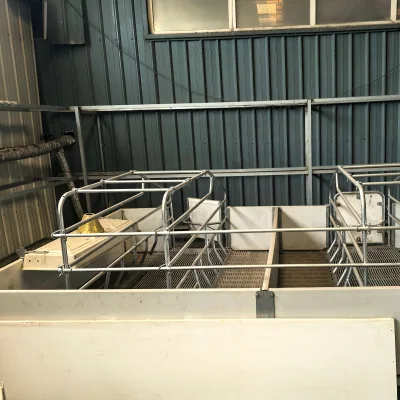
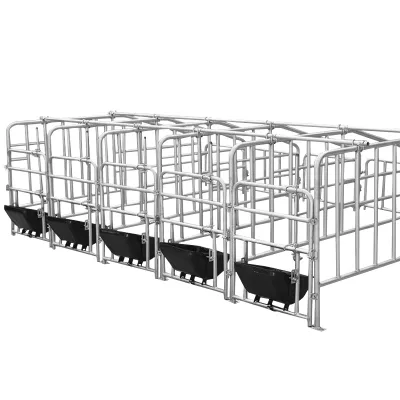
The core of a modern pig farrowing operation lies in the design of the farrowing crate, specifically engineered to manage the transition from gestation to lactation while ensuring the safety of both the sow and the piglets. When sourcing a "Pig Farrowing Crate" or a "Pig Gestation Pen," buyers must scrutinize the structural composition and material integrity. The available market data indicates a prevalence of systems constructed from hot-dip galvanized pipes, a critical choice for longevity in the harsh, corrosive environment of a pig farm. This material selection is essential to prevent rust and structural failure over time.
A significant portion of the product landscape features a hybrid flooring approach. Some units are equipped with pure polypropylene (PP) plastic floors, which offer a smooth, easy-to-clean surface that reduces the risk of injury to piglets. In contrast, other configurations utilize cast iron flooring with specific dimensions, such as 600*700mm panels, which provide superior durability and heat retention properties. The fencing surrounding the crate is often composed of PVC panels, designed to be non-toxic and resistant to the biting and scratching behaviors of sows.
The physical dimensions of these units vary significantly based on the intended application and the specific model number. Observed specifications include standard sizes like 2400mm1800mm1050mm, while other models offer dimensions such as 2.2/2.3 meters in length, 0.65 meters in width, and 1.1 meters in height. Some larger configurations extend to 2.4*3.6 meters, suitable for different herd management strategies. The installation method is predominantly floor-standing, requiring a stable foundation to support the weight of the sow, which can reach up to 500 kg in some heavy-duty models, while lighter components may weigh as little as 20 kg. The structural design is typically "connected," allowing for modular expansion of the farm layout.
Compliance, Certification, and Material Verification
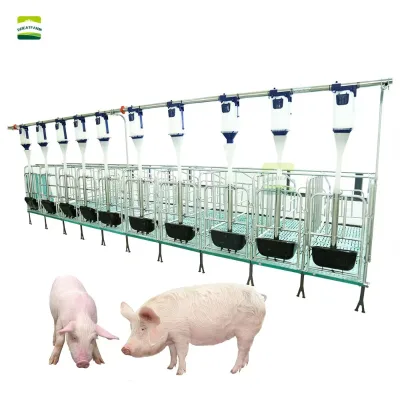
When evaluating farrowing pens, particularly those intended for pregnancy monitoring and breeding, compliance with safety and material standards is paramount. While specific third-party certification numbers are not universally listed for every unit, buyers must verify that the materials used meet agricultural safety standards. The primary material observed is hot-dip galvanized steel, which must be verified for coating thickness to ensure resistance against ammonia and moisture. The use of stainless steel for feeder components is another critical compliance point, as it prevents contamination and ensures hygiene during the feeding process.
Buyers should explicitly request documentation regarding the "Pure PP Material" used for plastic floors. This material must be food-grade and non-toxic to ensure that no harmful substances leach into the environment where piglets are raised. Similarly, the PVC panels used for fencing must be verified for their chemical composition to ensure they do not degrade under UV exposure or chemical cleaning agents. The "2400mm1800mm1050mm" standard mentioned in product listings serves as a reference point, but buyers must confirm that the actual delivered product matches these dimensional tolerances to ensure compatibility with existing farm infrastructure.
Furthermore, the "Factory" attribute indicates that many suppliers are manufacturers rather than traders. This distinction is vital for compliance, as manufacturers are more likely to have direct control over the production process and the ability to verify material sourcing. Buyers should verify that the "Hot-dip galvanized" process was applied uniformly across all steel components to prevent localized corrosion, which could lead to structural failure. The "Connected" structure type implies that the system must meet specific load-bearing standards when multiple units are joined together, requiring verification of the connection mechanisms to ensure they can withstand the dynamic forces exerted by moving livestock.
Cost Drivers and Pricing Dynamics in Farrowing Equipment
The pricing of pig farrowing pens is influenced by a complex array of factors, including material costs, manufacturing complexity, and logistical requirements. The observed price range in the market spans from approximately $58.57 to $2,000 USD. This wide disparity reflects the difference between basic, smaller-scale units and comprehensive, heavy-duty systems with advanced features. The lower end of the spectrum likely corresponds to simpler models with standard dimensions, while the higher end encompasses units with specialized flooring, larger footprints, or additional accessories like integrated feeders.
Material costs are a primary driver of price. The use of stainless steel for feeders and hot-dip galvanized pipes for the frame significantly increases the base cost compared to painted or non-galvanized alternatives. The thickness of the galvanized coating and the grade of the stainless steel directly impact the unit price. Additionally, the inclusion of "Pure PP Material" for flooring adds to the cost, as high-quality polypropylene is more expensive than standard plastics. The "Weight" of the unit, ranging from 20 kg to 500 kg, is also a strong indicator of material density and, consequently, price. Heavier units generally imply thicker steel and more robust construction, which commands a premium.
Logistics and packaging play a substantial role in the final cost. Products are often shipped via LCL (Less than Container Load) or FCL (Full Container Load) sea transportation, with packaging options including wooden boxes or pallets. The "Wooden Box, Pallet" packaging adds to the overall cost but is necessary for protecting the equipment during long-distance transit from China. The "MOQ" (Minimum Order Quantity) ranges from 1 to 100 units, meaning that buyers purchasing single items may face higher per-unit costs compared to those placing bulk orders. The "Selling Units" are often listed as single items, but the economic efficiency of the purchase improves with volume.
Typical Applications and Operational Scenarios
The primary application of these farrowing pens is in the breeding and gestation phases of pig farming. The "Type" is explicitly categorized as "Breeding" and "Heat Preservation," indicating that these units are designed to maintain a stable thermal environment for the sow and piglets. This is crucial during the farrowing process, where temperature control is vital for piglet survival. The "Pig Gestation Pen" variant serves a similar purpose, providing a secure environment for pregnant sows prior to farrowing.
These systems are specifically tailored for "Pig Farm" industries, with applications ranging from small-scale family farms to large commercial operations. The "Service" offering of "Free Pig Farm Design" suggests that these units are often part of a broader consultancy package, helping farmers optimize their layout for efficiency. The "Competitive Advantage" of cooperating with universities implies that the designs are often based on research into animal behavior and welfare, making them suitable for farms aiming to meet high animal welfare standards.
The "Installation Method" of floor-standing makes these units versatile for various farm layouts, as they do not require complex overhead support structures. The "Connected" structure allows for the creation of continuous rows of pens, facilitating efficient herd management and labor flow. The inclusion of "Stainless Steel" sow and piglet feeders ensures that the feeding process is hygienic and efficient, reducing waste and labor. The "Long Service Life" and "Simple Control" advantages highlight the operational efficiency of these units, making them ideal for farms looking to minimize downtime and maintenance costs.
Supplier Evaluation and Manufacturer Verification
When selecting a supplier for pig farrowing pens, verifying the manufacturer status is a critical step. The data confirms that many suppliers are indeed manufacturers, with attributes like "Factory: Yes" and "Factory: Yes, We Are Manufacturer" explicitly stated. This distinction is important because manufacturers typically offer better quality control, more flexible customization options, and direct access to technical support. Buyers should prioritize suppliers who can demonstrate their manufacturing capabilities, such as the ability to produce "Hot-dip galvanized" components in-house.
The "Brand Name" "GREAT FARM" is one example of a recognized entity in this space, but buyers should not limit their search to a single brand. Instead, they should evaluate suppliers based on their "After Sale" support, which includes "Free Instruction of Equipment Installation." This level of support is crucial for ensuring that the farrowing pens are installed correctly and function as intended. The "Warranty" period, which varies from 6 months to 1.5 years, is another key metric for supplier reliability. A longer warranty period often indicates a higher confidence in the product's durability and quality.
Buyers should also assess the supplier's "Competitive Advantage" in terms of research and development. The mention of "Cooperate with University" suggests that some suppliers invest in improving their designs based on scientific research. This is a strong indicator of a supplier's commitment to innovation and animal welfare. Additionally, the "Key Selling Points" such as "Long Service Life" and "Simple Control" should be backed by tangible evidence, such as case studies or customer testimonials, rather than just marketing claims.
Quality Control and Long-Term Procurement Considerations
Ensuring the quality of pig farrowing pens requires a rigorous quality control process. Buyers should verify the "Condition" of the products, which is listed as "New," but should also inspect the actual manufacturing quality upon delivery. The "Material" composition, particularly the "Hot-dip galvanized" steel and "Pure PP Material," must be checked for consistency and adherence to specifications. The "Weight" of the components should be measured to ensure they meet the stated requirements, as this is a proxy for material thickness and durability.
Long-term procurement considerations extend beyond the initial purchase price. The "Warranty" period is a critical factor, with options ranging from 6 months to 1.5 years. Buyers should negotiate for the longest possible warranty to protect against premature failure. The "After Sale" services, including "Free Instruction of Equipment Installation," are also vital for long-term success. These services ensure that the equipment is installed correctly and that the farm staff is trained to use it effectively.
The "Packing" method, whether "Wooden Box, Pallet" or "Pellet," should be evaluated for its ability to protect the equipment during transit. Damaged equipment upon arrival can lead to significant delays and additional costs. The "prod_packing" details, such as "LCL or FCL" and "Sea Transportation," should be considered when planning the logistics of the purchase. Buyers should also consider the "Size" and "Model Number" compatibility with their existing farm infrastructure to ensure a seamless integration.
Finally, the "Advantage" of "Long Service Life" should be a key consideration in the procurement decision. This advantage is directly linked to the quality of materials and the robustness of the design. By selecting a supplier that emphasizes this advantage, buyers can reduce the total cost of ownership over the life of the equipment. The "Simple Control" feature also contributes to long-term efficiency by reducing the complexity of daily operations and minimizing the risk of human error.
Comparative Analysis of Product Specifications
To facilitate a clearer understanding of the differences between various farrowing pen models, the following table summarizes the key specifications observed in the market. This comparison highlights the variations in dimensions, materials, and features that buyers should consider when making a procurement decision.
| Feature | Model A (Standard) | Model B (Heavy Duty) | Model C (Compact) |
|---|---|---|---|
| Dimensions | 2.4m x 1.8m x 1.05m | 2.2m x 0.65m x 1.1m | 2.3m x 0.65m x 1.1m |
| Primary Material | Hot-dip Galvanized Pipe | Hot-dip Galvanized Pipe | Hot-dip Galvanized Pipe |
| Flooring Type | Pure PP Material | Cast Iron (600*700mm) | Pure PP Material |
| Fencing | PVC Panel | PVC Panel | PVC Panel |
| Feeder Material | Stainless Steel | Stainless Steel | Stainless Steel |
| Weight | 500 kg | 20 kg | Variable |
| Warranty | 1.5 Years | 6 Months | Variable |
| Installation | Floor Standing | Floor Standing | Floor Standing |
| Packing | Wooden Box, Pallet | Wooden Box, Pallet | Wooden Box, Pallet |
| Origin | Henan, China | Henan, China | Henan, China |
This table illustrates that while the core materials and installation methods remain consistent across models, the dimensions and flooring types vary to suit different farm needs. Buyers should carefully match these specifications to their specific operational requirements to ensure optimal performance and longevity. The "Model Number" (e.g., HY-PFC, GF-1, GF-03) serves as a unique identifier for these variations, and buyers should ensure they order the correct model for their intended application.
FAQs
What materials are used for the pig farrowing pen frame?
The frame is constructed from hot-dip galvanized pipes to ensure rust resistance. Some models also feature stainless steel components for feeders to maintain hygiene and durability in farm environments.
Can I customize the dimensions of the farrowing crate?
Customization is available for the product to meet specific farm requirements. Standard sizes include 2400mm by 1800mm, but buyers can request modifications to fit their facility layout.
How is the floor designed for piglet safety?
Floors are available in pure PP plastic material or cast iron panels measuring 600 by 700mm. The plastic option offers a smooth surface to reduce injury risks for piglets.
What warranty period is provided for the equipment?
Warranty periods vary from 6 months to 1.5 years depending on the specific model. Buyers should verify the exact warranty terms for their selected unit before finalizing the order.
What is the minimum order quantity for these pens?
The minimum order quantity ranges from 1 to 100 units depending on the supplier. Single item purchases are possible, though bulk orders may offer better pricing efficiency.
How are the pens installed on the farm site?
The installation method is floor-standing, requiring a stable foundation to support the weight. The structure is connected, allowing for modular expansion and flexible farm layout planning.